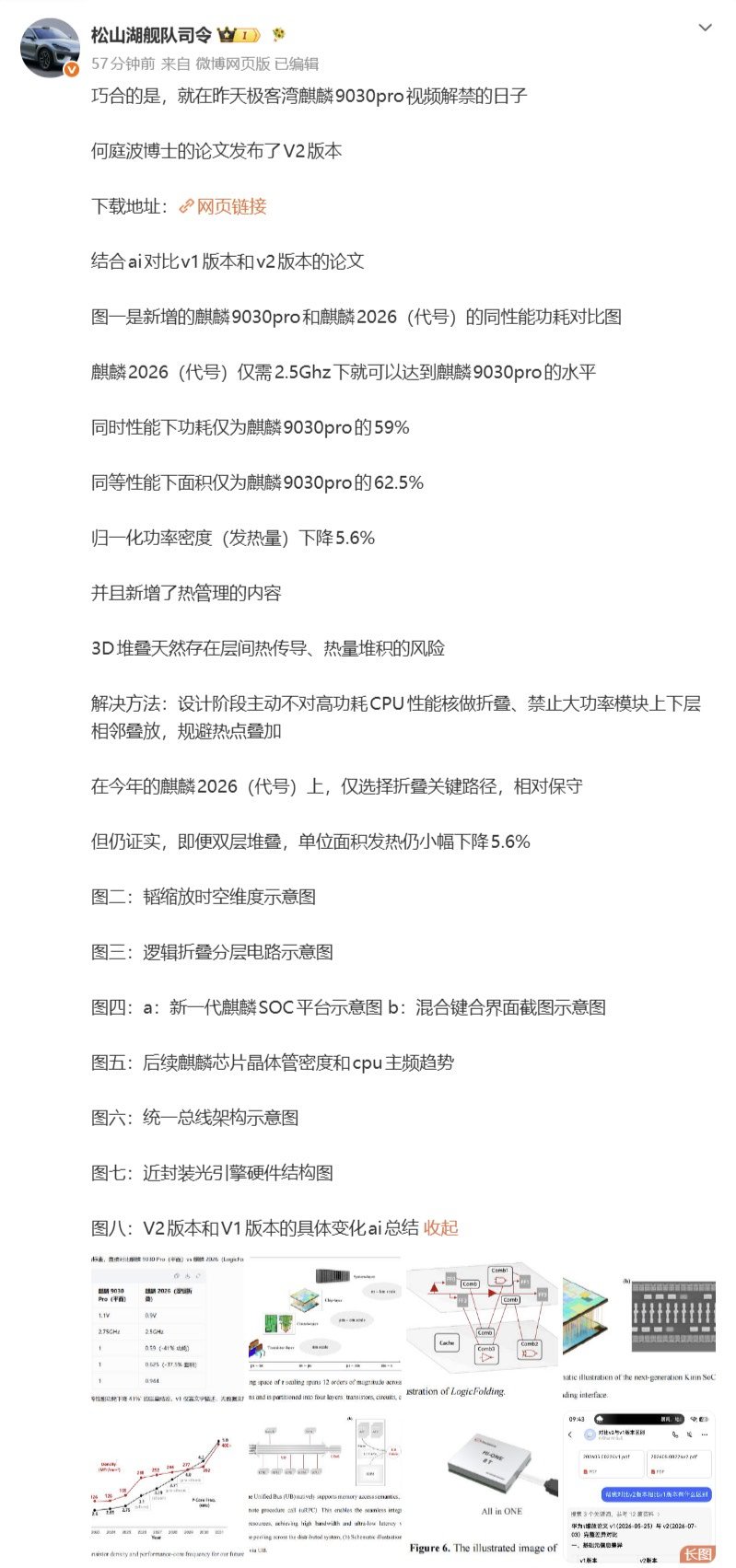
近日一名微博博主发布微博传播
#华为韬定律芯片实测# 忘了发微博了,补一下。
V2 新的论文信息还是挺多的,解释了几个之前不太明确的点。
1⃣首先,散热:
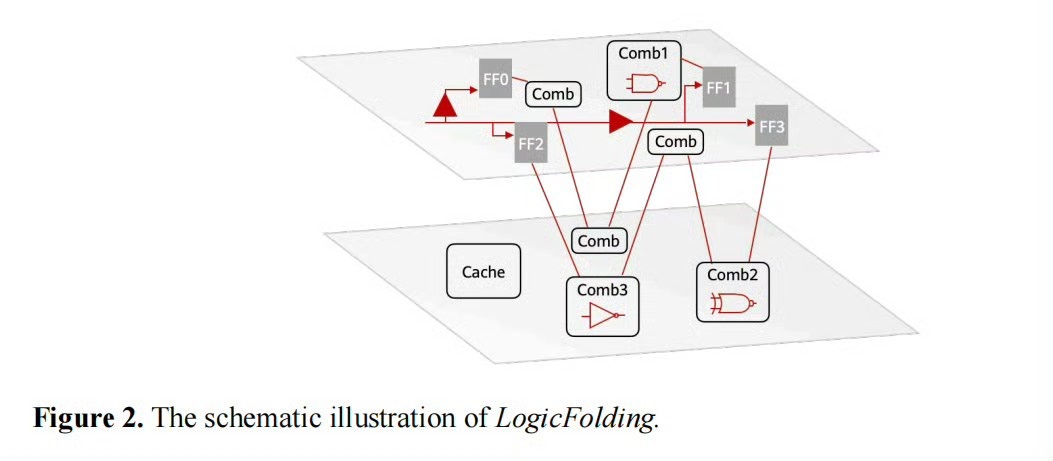
高功耗电路不参与折叠,避免高功耗模块在垂直方向上叠在一起。
Thermal management remains the critical challenge in the LogicFolding architecture. To address this, we employ a thermal-aware partitioning and floorplanning strategies. During the design phase, we deliberately **oid folding high-power circuits and structurally prevent the spatial adjacency of high-power subsystems.
布局层面避免折叠高功耗电路,以及结构上阻止高功耗子系统的空间相邻,说明散热的问题必然会考虑。
2⃣其次,性能:
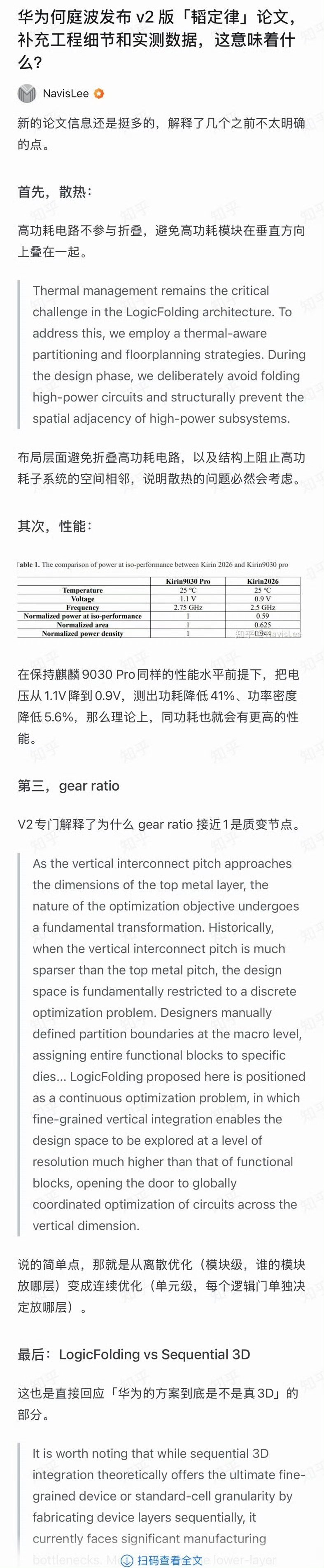
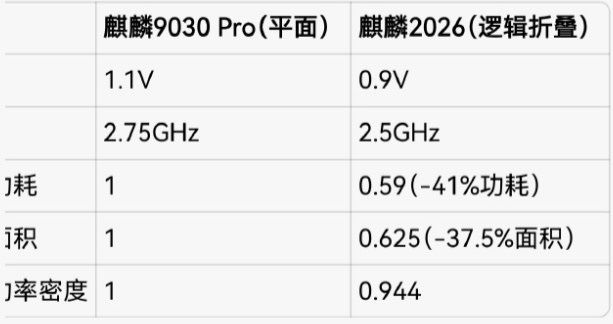
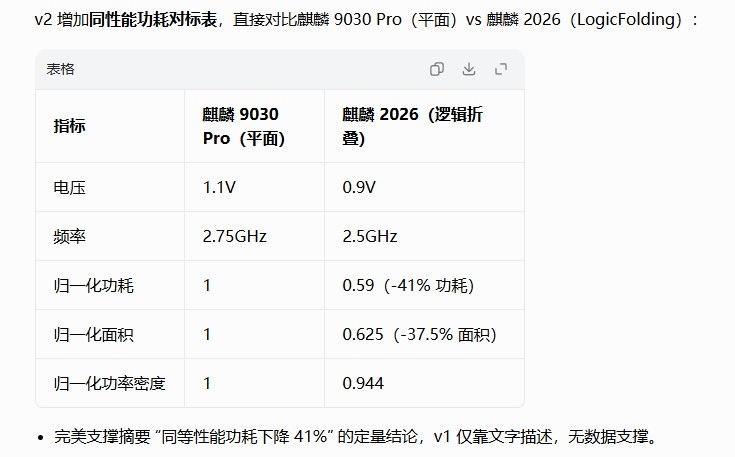
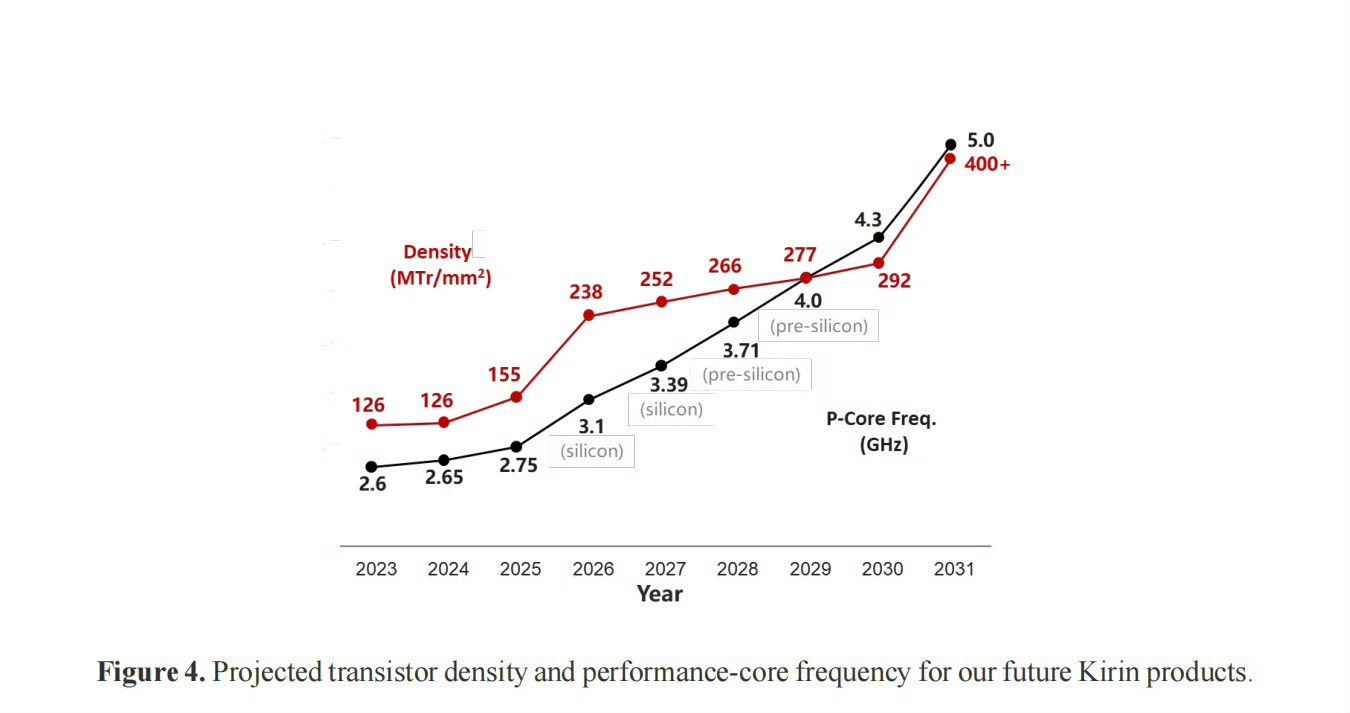
在保持麒麟9030 Pro同样的性能水平前提下,把电压从1.1V降到0.9V,测出功耗降低41%、功率密度降低5.6%,那么理论上,同功耗也就会有更高的性能。
3⃣第三,gear ratio
V2专门解释了为什么 gear ratio 接近1是质变节点。
As the vertical interconnect pitch approaches the dimensions of the top metal layer, the nature of the optimization objective undergoes a fundamental transformation. Historically, when the vertical interconnect pitch is much sparser than the top metal pitch, the design space is fundamentally restricted to a discrete optimization problem. Designers manually defined partition boundaries at the macro level, assigning entire functional blocks to specific dies… LogicFolding proposed here is positioned as a continuous optimization problem, in which fine-grained vertical integration enables the design space to be explored at a level of resolution much higher than that of functional blocks, opening the door to globally coordinated optimization of circuits across the vertical dimension.
说的简单点,那就是从离散优化(模块级,谁的模块放哪层)变成连续优化(单元级,每个逻辑门单独决定放哪层)。
4⃣最后:LogicFolding vs Sequential 3D
这也是直接回应「华为的方案到底是不是真3D」的部分。
It is worth noting that while sequential 3D integration theoretically offers the ultimate fine-grained device or standard-cell granularity by fabricating device layers sequentially, it currently faces significant manufacturing bottlenecks. Most critically, the lower-layer devices are highly prone to performance degradation due to the strict thermal budget constraints inherent in the sequential fabrication process. As a commercially viable realization, LogicFolding achieves the necessary low gear ratio for continuous optimization by utilizing mature, advanced wafer-to-wafer hybrid bonding.
也就是说华为选择的不是理论上粒度最细的路线(Sequential 3D),而是在热稳定性和粒度精细度之间做了工程权衡,用成熟的W2W HB技术去逼近Sequential 3D的效果。真3D这个词本身在学术上也有更细的分类,华为是比较务实的路线。
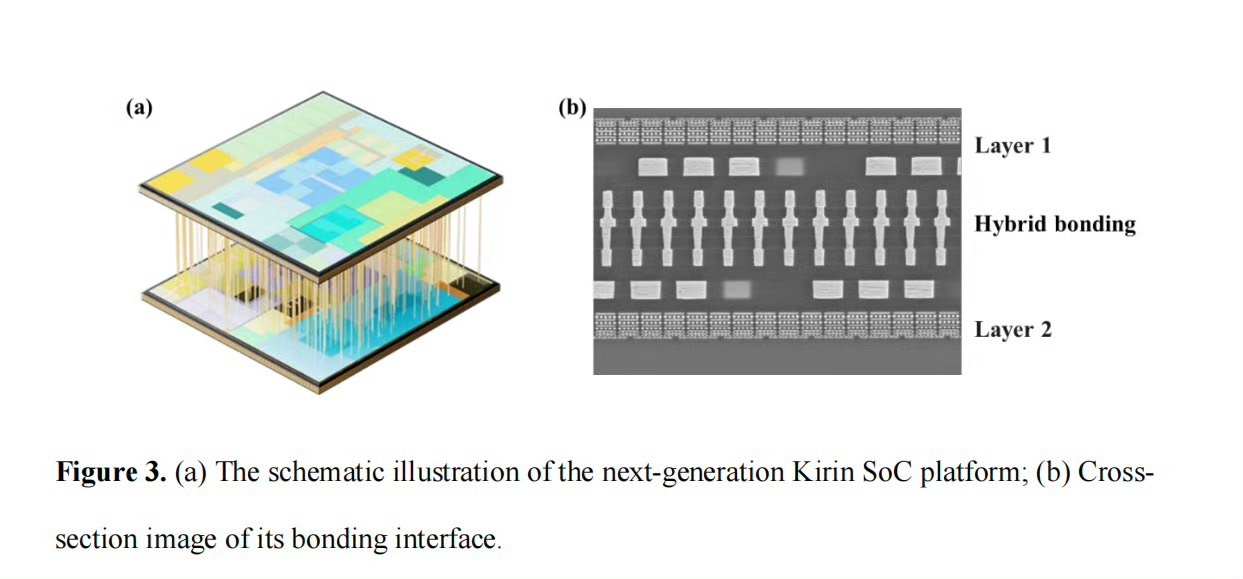
Figure 3(b) 直接给出了麒麟2026键合界面的实拍截面图,可信度还是非常高的。
麒麟2026和麒麟2027均已完成流片,等新手机就好了。
曝华为Mate90正在芯片装测